
A garage door rarely makes or breaks a purchase. But it is a few thousand dollars of equipment, and in Florida it carries a code requirement most buyers never think about.
Five minutes at the viewing tells you a lot.
The buyer's check
- Ask them to open and close it fully while you watch and listen.
- Look for a wind-load label inside the door. No label is worth asking about.
- Check the bottom section for rust or bubbling paint — especially near the coast.
- Look at the Garage Door Springs for gaps or heavy surface rust.
- Check both cables at the drums for fraying.
- Look along the bottom with the door closed. Daylight means seals are gone or the slab has settled.
- Note the Garage Door Opener's age — and whether it has photo-eyes near the floor.
An opener with no sensors at floor level predates the safety requirement. That is a replacement, not a repair, and it is fair to raise it.
BH Garage Door USA technicians
The questions worth asking the seller
When was the door last serviced? Have the Garage Door Springs been replaced, and when? Is there paperwork for the door, including the rating?
Vague answers are not necessarily a problem. But they tell you to budget.
What it is fair to negotiate
An unrated door in a coastal county is a legitimate point. So is a pre-safety-standard opener, a corroded bottom section, or springs visibly at the end of their life.
Cosmetic dents on a sound door, less so.
What actually matters when you are choosing
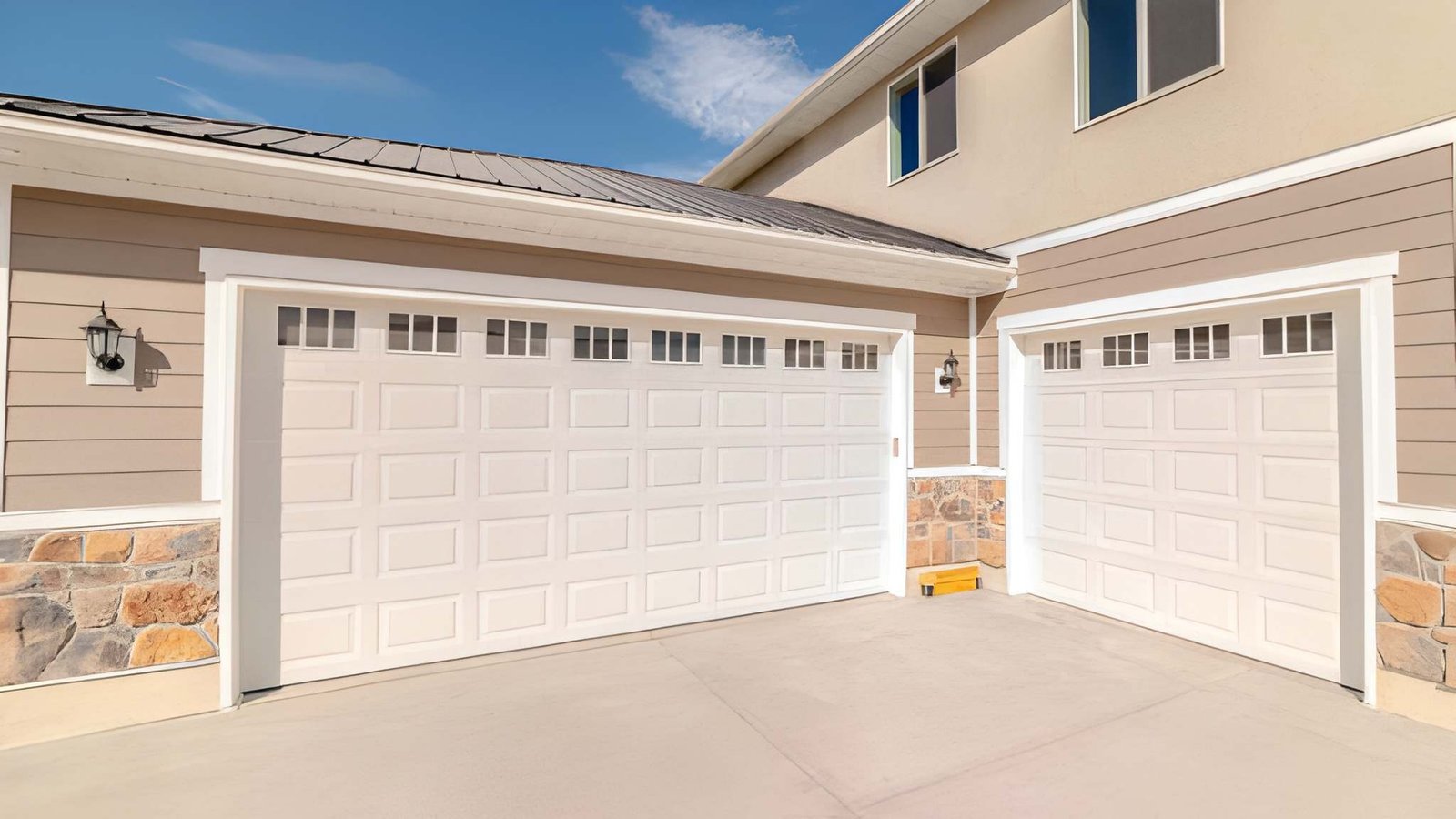
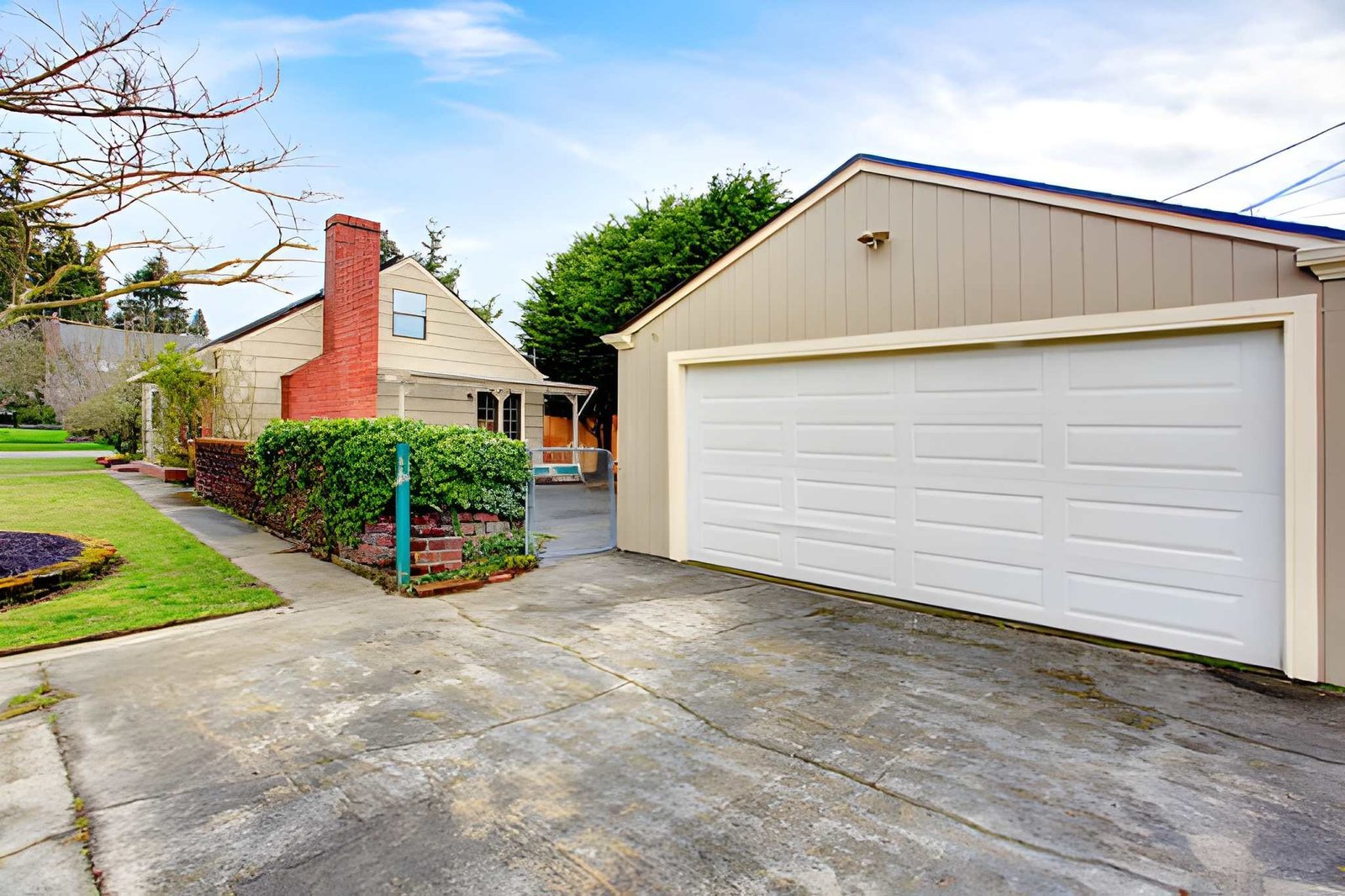
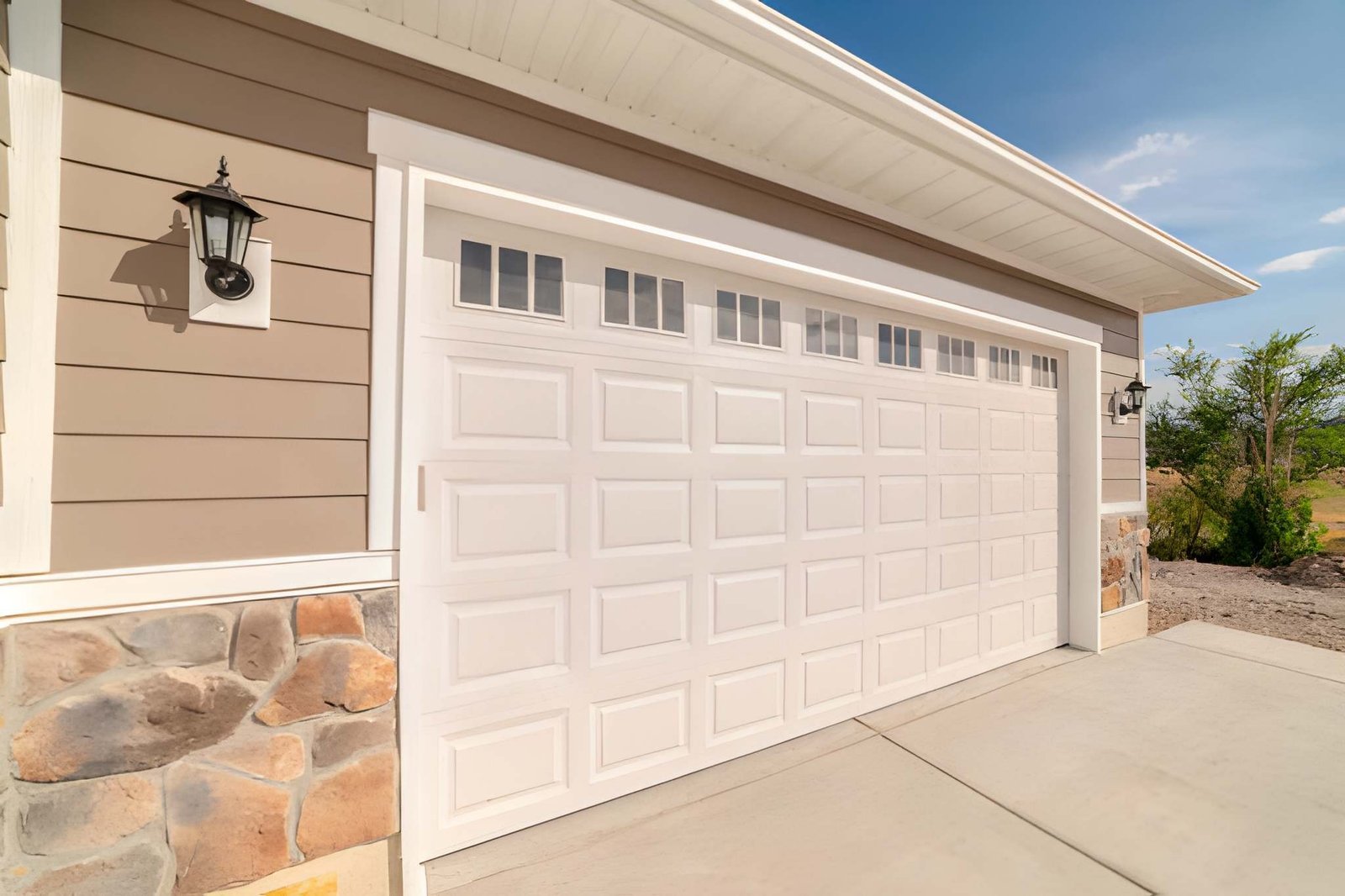
A garage door is often a third of everything you see from the street. It is also the largest opening in the building.
Here is the bit we would want to know. So it is two purchases at once: a design decision and a structural one.
In Florida the structural half is not optional. The wind-load rating has to match your address, and in Miami-Dade and Broward the requirements are stricter again. You will notice it long before it becomes urgent, if you know to look.
Where the money actually goes
Two quotes for what looks like the same job can differ a lot, and the difference is rarely the labour.
Here is the part people tend to skip. It is usually part quality. A ten-thousand-cycle spring and a thirty-thousand-cycle spring take the same time to fit and last very differently.
It is also construction. A two or three layer door with a polyurethane core is stiffer, quieter and holds its rating better than a thicker single skin.
Ask what is going on the door, not just what it costs. That single question makes quotes comparable. Most people find this out the expensive way.
What we go through before quoting
Opening width, height, headroom and side room — these decide what track is even possible.
And this is usually where it goes wrong. The wind-load requirement at your specific address, not a state average.
Whether the garage is attached, and what sits above or beside it, which drives insulation.
Whether your existing opener is rated for the weight of the door you are choosing.
The spring specification for the finished door weight. Most people find this out the expensive way.
The mistake we see most
Picking the door on looks, then finding the approval does not exist for that address.
Worth saying plainly. It is a genuinely miserable conversation to have after someone has set their heart on a design.
Have the code conversation and the design conversation at the same time. It costs nothing up front and it stops the whole project stalling. It is a small thing that turns into a big thing.
The short version
If you take one thing away from all of that: a door that is balanced, lubricated and has working safety reverses will outlast one that is not. By years, not months.
Almost everything we get called out to was preventable. Most of it was cheap to prevent, too.
So if any of this sounds like your door, get eyes on it while it is still an inconvenience rather than a breakdown. We would rather do the small job.
What actually matters when you are choosing
A garage door is often a third of everything you see from the street. It is also the largest opening in the building.
Here is the part people tend to skip. So it is two purchases at once: a design decision and a structural one.
In Florida the structural half is not optional. The wind-load rating has to match your address, and in Miami-Dade and Broward the requirements are stricter again. You will notice it long before it becomes urgent, if you know to look.
Where the money actually goes
Two quotes for what looks like the same job can differ a lot, and the difference is rarely the labour.
And this is usually where it goes wrong. It is usually part quality. A ten-thousand-cycle spring and a thirty-thousand-cycle spring take the same time to fit and last very differently.
It is also construction. A two or three layer door with a polyurethane core is stiffer, quieter and holds its rating better than a thicker single skin.
Ask what is going on the door, not just what it costs. That single question makes quotes comparable. That is not a sales line. It is just how the hardware behaves.
What we go through before quoting
Opening width, height, headroom and side room — these decide what track is even possible.
Worth saying plainly. The wind-load requirement at your specific address, not a state average.
Whether the garage is attached, and what sits above or beside it, which drives insulation.
Whether your existing opener is rated for the weight of the door you are choosing.
The spring specification for the finished door weight. That is not a sales line. It is just how the hardware behaves.
The mistake we see most
Picking the door on looks, then finding the approval does not exist for that address.
It sounds obvious. It is not. It is a genuinely miserable conversation to have after someone has set their heart on a design.
Have the code conversation and the design conversation at the same time. It costs nothing up front and it stops the whole project stalling. It is a small thing that turns into a big thing.
The short version
If you take one thing away from all of that: a door that is balanced, lubricated and has working safety reverses will outlast one that is not. By years, not months.
Almost everything we get called out to was preventable. Most of it was cheap to prevent, too.
So if any of this sounds like your door, get eyes on it while it is still an inconvenience rather than a breakdown. We would rather do the small job.
We cover 54 Florida cities, usually same day.