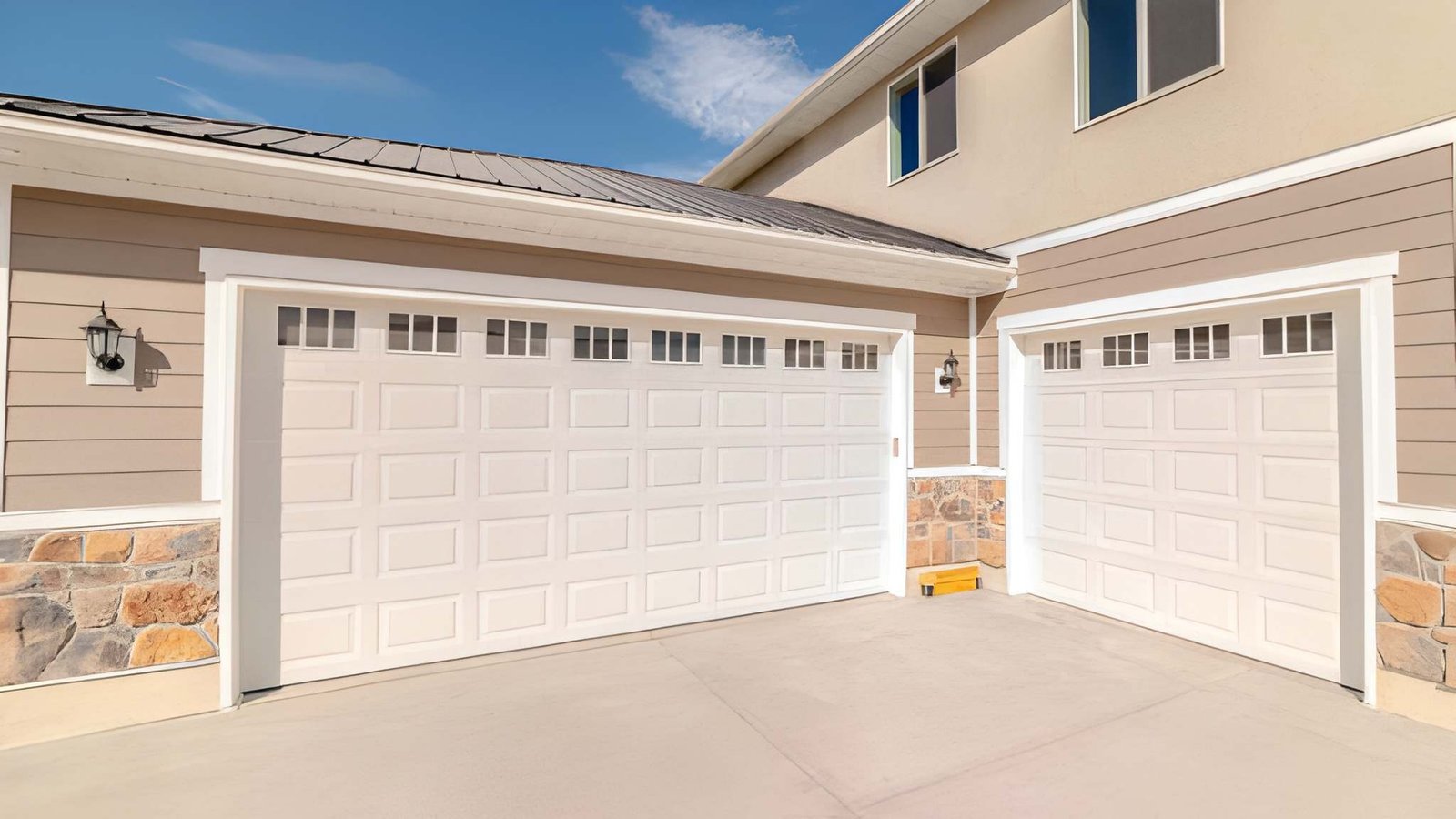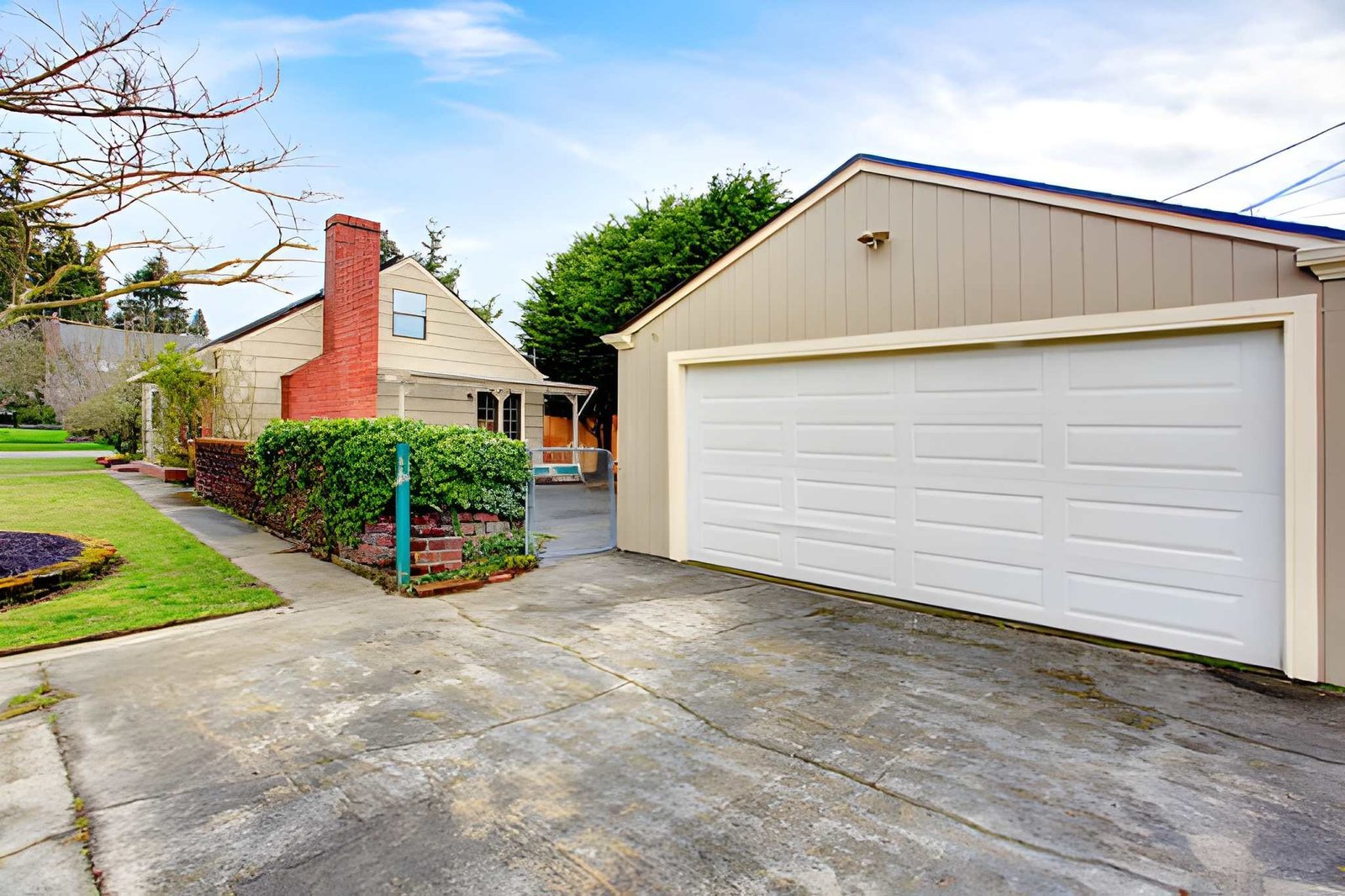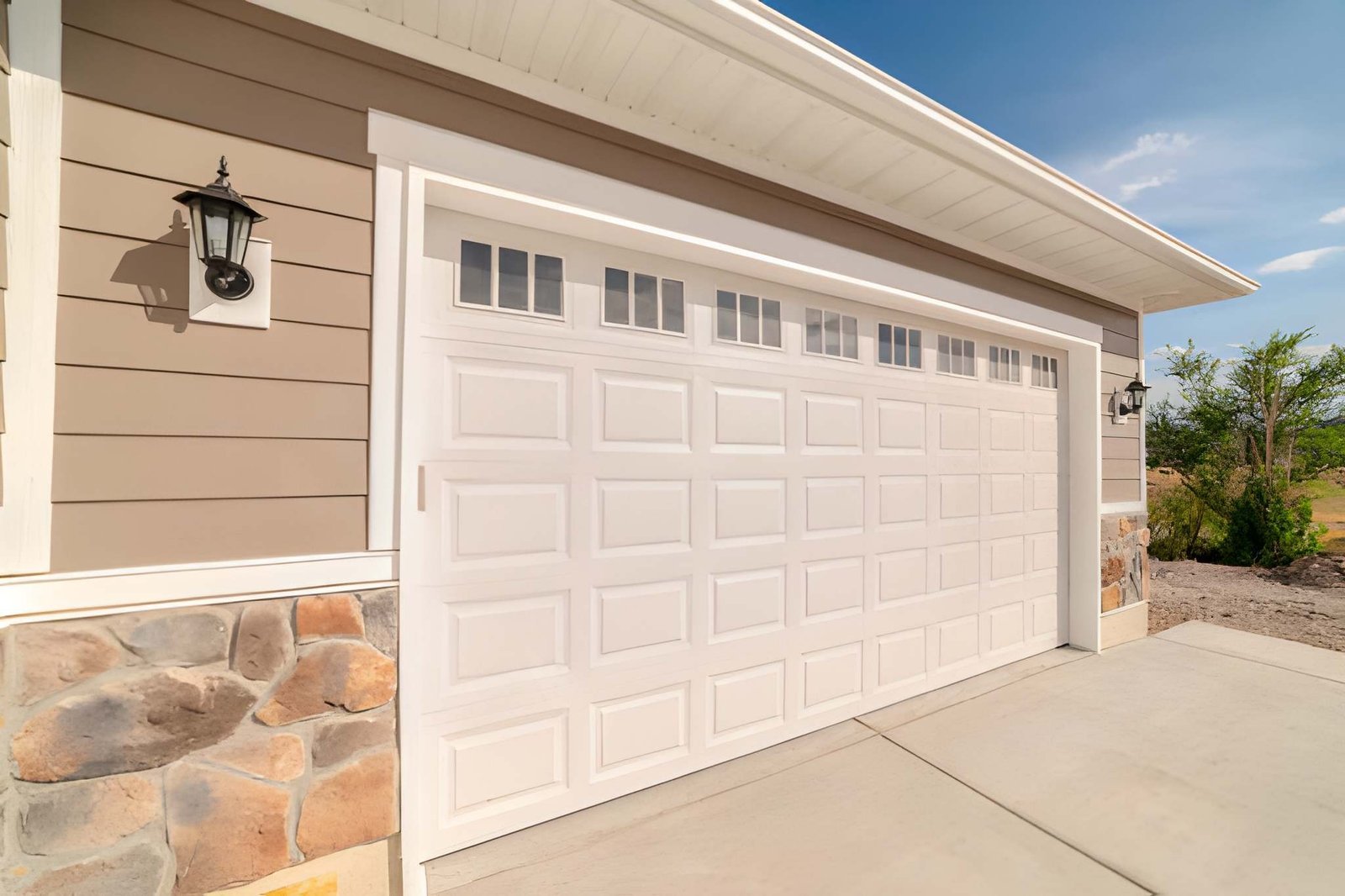

A garage door is usually the largest single design element on the front of a house and the largest opening in the structure. It deserves more thought than it usually gets.
Material
| Material | Strengths | Watch for |
|---|---|---|
| Steel | Strong, low upkeep, best value | Rust at cut edges if the finish is breached |
| Aluminium | Will not rust, light | Dents more easily than steel |
| Composite / faux wood | Wood look without the upkeep | Higher cost |
| Real wood | Unmatched appearance | Humidity and sun are hard on it here |
For most Florida homes we fit insulated steel. It handles the climate, takes the wind rating, and modern finishes have improved enormously.
Insulation
Insulation is quoted as an R-value and does two things: it moderates garage temperature and it makes the door noticeably quieter and more rigid. If your garage is attached, shares a wall with a bedroom, or doubles as a workshop or gym, insulation is the upgrade that changes daily life most.
People buy insulation expecting a cooler garage and are usually more surprised by how much quieter the door is.
BH Garage Door USA technicians
Wind rating — not optional
Florida requires garage doors to meet wind-load requirements, and Miami-Dade and Broward sit inside the High-Velocity Hurricane Zone with stricter rules again. Any quote should state the rating and confirm it matches your address. A door that is not rated for your zone cannot be permitted and may affect your insurance position.
Do not forget the opener
A heavier insulated door needs an opener sized for it. Reusing an undersized opener is a false economy that shortens the life of both. Belt drives are the quiet choice for attached garages.
Ask every quote for
- The wind-load rating, and whether it meets the requirement at your address.
- The R-value, if insulated.
- The spring cycle rating supplied with the door.
- Whether your existing opener is rated for the new door weight.
- What the warranty covers — sections, finish, hardware and labour are often different terms.
What actually matters when you are choosing
A garage door is often a third of everything you see from the street. It is also the largest opening in the building.
That is the theory. Here is the reality. So it is two purchases at once: a design decision and a structural one.
In Florida the structural half is not optional. The wind-load rating has to match your address, and in Miami-Dade and Broward the requirements are stricter again. Nobody enjoys hearing it, but it saves money.
Where the money actually goes
Two quotes for what looks like the same job can differ a lot, and the difference is rarely the labour.
One more thing, because it matters. It is usually part quality. A ten-thousand-cycle spring and a thirty-thousand-cycle spring take the same time to fit and last very differently.
It is also construction. A two or three layer door with a polyurethane core is stiffer, quieter and holds its rating better than a thicker single skin.
Ask what is going on the door, not just what it costs. That single question makes quotes comparable. Nobody enjoys hearing it, but it saves money.
What we go through before quoting
Opening width, height, headroom and side room — these decide what track is even possible.
This trips people up constantly. The wind-load requirement at your specific address, not a state average.
Whether the garage is attached, and what sits above or beside it, which drives insulation.
Whether your existing opener is rated for the weight of the door you are choosing.
The spring specification for the finished door weight. You will notice it long before it becomes urgent, if you know to look.
The mistake we see most
Picking the door on looks, then finding the approval does not exist for that address.
Now, the bit nobody mentions. It is a genuinely miserable conversation to have after someone has set their heart on a design.
Have the code conversation and the design conversation at the same time. It costs nothing up front and it stops the whole project stalling. Nobody enjoys hearing it, but it saves money.
The short version
If you take one thing away from all of that: a door that is balanced, lubricated and has working safety reverses will outlast one that is not. By years, not months.
Almost everything we get called out to was preventable. Most of it was cheap to prevent, too.
So if any of this sounds like your door, get eyes on it while it is still an inconvenience rather than a breakdown. We would rather do the small job.
What actually matters when you are choosing
A garage door is often a third of everything you see from the street. It is also the largest opening in the building.
One more thing, because it matters. So it is two purchases at once: a design decision and a structural one.
In Florida the structural half is not optional. The wind-load rating has to match your address, and in Miami-Dade and Broward the requirements are stricter again. That is not a sales line. It is just how the hardware behaves.
Where the money actually goes
Two quotes for what looks like the same job can differ a lot, and the difference is rarely the labour.
This trips people up constantly. It is usually part quality. A ten-thousand-cycle spring and a thirty-thousand-cycle spring take the same time to fit and last very differently.
It is also construction. A two or three layer door with a polyurethane core is stiffer, quieter and holds its rating better than a thicker single skin.
Ask what is going on the door, not just what it costs. That single question makes quotes comparable. We say that from experience, not from a brochure.
What we go through before quoting
Opening width, height, headroom and side room — these decide what track is even possible.
Now, the bit nobody mentions. The wind-load requirement at your specific address, not a state average.
Whether the garage is attached, and what sits above or beside it, which drives insulation.
Whether your existing opener is rated for the weight of the door you are choosing.
The spring specification for the finished door weight. We say that from experience, not from a brochure.
The mistake we see most
Picking the door on looks, then finding the approval does not exist for that address.
Short version? It is a genuinely miserable conversation to have after someone has set their heart on a design.
Have the code conversation and the design conversation at the same time. It costs nothing up front and it stops the whole project stalling. Nobody enjoys hearing it, but it saves money.
The short version
If you take one thing away from all of that: a door that is balanced, lubricated and has working safety reverses will outlast one that is not. By years, not months.
Almost everything we get called out to was preventable. Most of it was cheap to prevent, too.
So if any of this sounds like your door, get eyes on it while it is still an inconvenience rather than a breakdown. We would rather do the small job.
We cover 54 Florida cities, usually same day.